
Published September 14th, 2026
Interview
A Reflection of the Past and a Collection of Love, Politics and Life - An Interview with Zama Madinana
by Yvonnie S. Kunkeyani
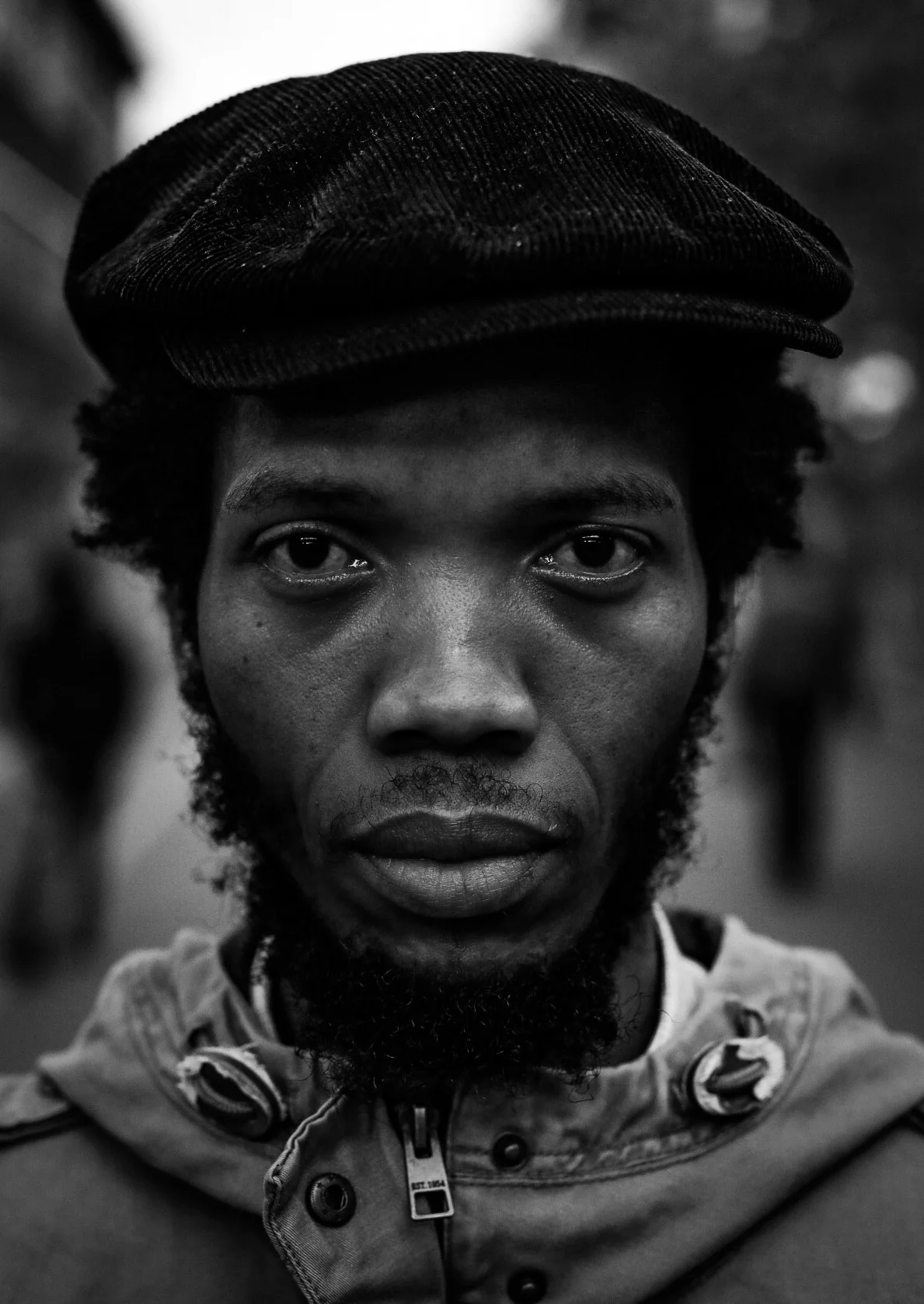
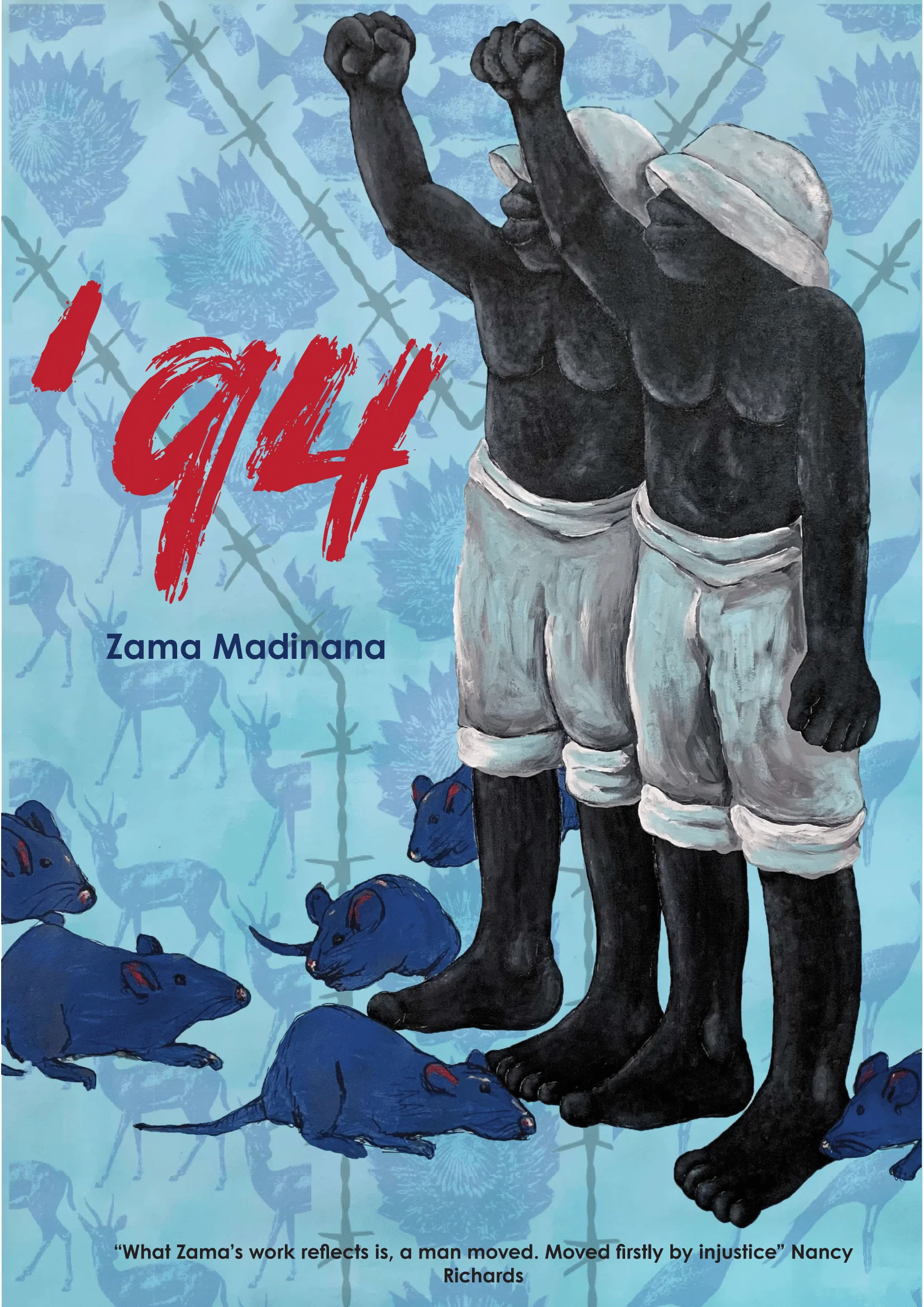
’94 (2023) is a full-length poetry collection by Zamokuhle (Zama) Madinana, a poet based in South Africa whose work has been featured in various literary publications. Reading ’94, one is drawn in by “lullaby for anokuhle” (I was), as the opening pace is set with nostalgic blues and love in “song for mashombela,” before it delves into politics and social welfare. The collection blends the everyday experiences of many people in his country, caught between social issues, love, and a yearning for life that is underpinned by resilience. Zama writes for the page and the heart, but also performs his work on various stages across South Africa and other African countries. He was nominated for a Pushcart Prize in 2022. I spoke to Zama about how the year ’94 shaped him and this collection, the current state of affairs in his country, what it means to be a writer in this age, and his current poetry project.
***
Yvonnie S. Kunkeyani: Your debut full-length collection, ’94, came out in 2023. If you had to sum it up in a few sentences, what would you say is the essence of this collection?
Zama Madinana: This is my first full-length poetry book. It encompasses a lot of themes but the reason I called it ’94 is because I wanted us to revisit or highlight some of the devastating events that happened post 1994 — a year that we attained our freedom in my country, South Africa: Events like the Marikana massacre where 34 miners were shot and killed by the police for demanding salary increase. The #FeesMustFall protest in 2015 where students were protesting against the increase of university fees and police used violence to respond to that which was very disappointing.The Life Esidimeni scandal where mental healthcare patients died due to starvation and neglect. These are some of the events that make me question this freedom of ours.
Yvonnie: You grew up in a period of transition and have witnessed political violence, higher education injustices and other social woes. How did these influence ’94 and your writing in general?
Zama: This influenced the writing of this collection in so many ways. Our road to ’94 (1994) was bloody and hard. I started school in the early 90s. We witnessed a lot of Black-on-Black political violence between the IFP (Inkatha Freedom Party) and ANC (African National Congress) in the township. More than 30 years ago, we attained our freedom but the conditions that Black people live under in the township have not improved much, which is very sad. Many Black students get financially excluded because they come from disadvantaged backgrounds.
Yvonnie: There is often an expectation that African literature addresses heavy social and political themes such as colonialism and poverty. How do you view this relationship between lived history, culture, and literary expression?
Zama: I believe it is very important for us as poets to reflect or write about injustices of the past. Whether socially, politically or economically. It helps us understand the present-day struggle, especially in my country, South Africa. It opens our eyes when it comes to economic injustices we are still faced with. It helps to seek solutions to the problem of landownership, the conditions that most Black people live under, and the quality of education that Black people receive. When we revisit the past we get to understand why other voices were silenced, why they are omitted or erased in our history. We need to be aware of our past so that we can find ways of honestly moving forward as a country.
Yvonnie: What was the balancing scale and deciding factor for which poems should end up in ’94 and the decision of segmenting the collection into five untitled parts?
Zama: With this collection I wanted to curate a solid collection since it was the first full-length book. One of the challenges was that all of these poems carry different themes. That’s why I put them into different sections obviously under the guidance of my editor. From love to politics. So, we wanted to take the reader on a journey. We started with poems that were lighter to dissect, under the same theme: love. We then moved to poems that are political and personal. I’ll say the collection is well-balanced. It has different themes and tones.
Yvonnie: In your poem, “your smile,” you weave together COVID-19 and load shedding and serve them on a fine plate with simplicity in only 12 short lines. Can you talk about your writing process and how you approach balancing social commentary with such tenderness?
Zama: Even in moments of pain, we must find tenderness. My country has a serious problem of power outages but that does not mean we can’t be romantic in such times. Let’s light up some candles and have fun. Let your smile be the light in the darkness.
Yvonnie: When you engage with political subjects in poems such as “mandela” and “the wailing taps,” what responses or reflections do you hope to provoke in your readers? How have audiences reacted to these poems, and were any of those reactions unexpected?
Zama: I come from a township where water supply is a huge problem. We can go for a whole week without water. I got a positive reaction from the people who read the poem “the wailing taps” simply because they see themselves in this poem. It captures the reality of their daily struggle. With “mandela,” I got mixed reactions. Some were defensive that I couldn’t write about the former president like that, at the same time others agreed with the poem.
Yvonnie: You curate poetry events in Johannesburg. Can you tell us a bit about this? What motivates you to organise these events? Why are they important to you?
Zama: I curate a weekly poetry session called Poetry Thursdays around Johannesburg city, South Africa. To witness a community built around poetry is a very satisfying feeling as a poet or a lover of art. I believe that poetry should be brought into live spaces, where it can be shared. Poetry on stage is different from poetry on page. These shows have given a platform to many emerging and established poets to be heard. Thursday night is something that people are always looking forward to. It has opened so many doors for collaborations. Some poets have received invitations to perform at bigger events through Poetry Thursdays. These events have brought together poets, visual artists, photographers and academics under one roof. They have started relationships and meaningful conversations. I also want to promote poetry and the culture of reading through these shows.
Comments on "A Reflection of the Past and a Collection of Love, Politics and Life - An Interview with Zama Madinana"
Please log in to submit a comment.
Login